

How to Choose the Best Landscaper in Canberra: A Local Buyer’s Guide
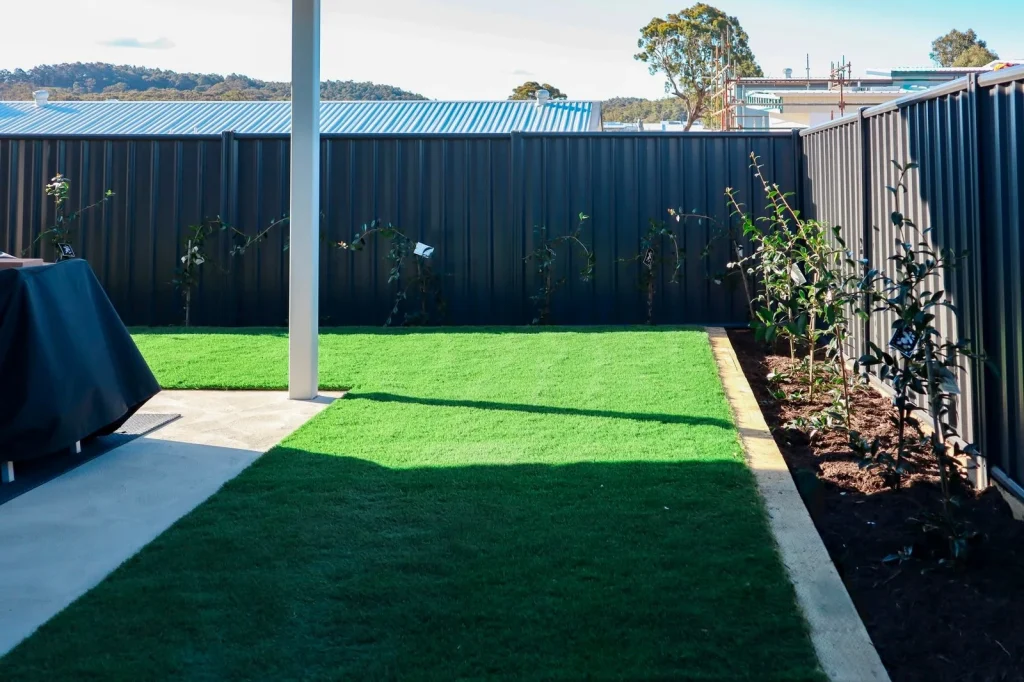
How to Choose the Best Landscaper in Canberra: A Local Buyer’s Guide From Frosty winters to dry summers, Canberra’s climate throws a lot at your garden. Your similar gardening approach can’t work all the time. You need the best landscaper in Canberra for your garden, who covers a unique set of considerations that every landscaper simply doesn’t cover. Qualified landscapers who have years of experience in serving local people in Canberra with a range of landscaping services can only provide you with the right benefits. If you are from Canberra and looking for someone highly qualified who can provide a customised landscaping solution to fulfil all your gardening requirements, you are at the right place. This guide cuts through the noise and gives you a practical checklist for making a smart decision from the start. Understand what you need and what’s included. First of all, once you have decided to hire a landscaper to transform your outdoor space, understand what you actually want. Do you actually need to complete the transformation? Or just look to upgrade it by adding beautiful landscaping features like pergolas, a pool or a deck? Understanding the requirements can help you find a landscaper whose strengths line up with your vision. As per the latest 2026 landscaping trends, people tend to choose more thoughtful outdoor zones that include low-maintenance climate-resilient planters, adding decks, pergolas, and entertaining spaces, and natural-looking smart landscaping. So, finding someone who is well aware of the latest trend and knows how to make it happen is really important for a worthwhile investment. In short, having a clear picture of what you want can help you interview your landscaper. Check License and Insurance Don’t hesitate to ask for a license and insurance check! This will help you understand their credibility and how long they have been working. Landscaping is not an easy nut to crack – it actually requires a lot of knowledge and advanced tools for the safe and right result. Especially the structural work, like building pergolas, decks, pools and retaining walls requires a license. Otherwise, this can put you in trouble. Find a local Landscaper Finding a local landscaper in Canberra is important to crack the best deal. A local landscaper can easily understand your climate and geographic problems. They can also help you choose the right landscaping design along with native planters that can easily work for all seasons of the year. You can also get several other benefits, such as punctuality, word of mouth, showing their recent projects done in your local area, and more. Ask to share references and past projects A reliable, local landscaper in Canberra can confidently share their previous projects with you. You can ask for before and after pictures of their work, and also request a visit in person if there is any completed local project. Check their website Today, every business focuses on promoting its products and services on social media and through its website. Check if your landscaper in Canberra has an official website and social media channel where they share every detail and information regarding their projects. A website is really helpful in understanding what type of services they include and how much experience they have. Here you can find a lot of other things as well, like reviews and ratings from their previous clients, services, areas they service and contact information. Understand the cost Before you ask for their service, you must gain some information about the estimated cost of your required service. However, this can only be possible if you do some study about your requirements and needs. Getting cost information can help you determine if your landscaper is offering a genuine cost or not. Also, a qualified landscaper in Canberra will visit your site first to understand your needs and provide you with a free quote after that. This will help you make a wise decision. Get it written in a clear contract Writing a contract is really important to avoid misunderstanding and for protection as well. A reliable, local landscaper never hesitates to provide you with a written contract that mentions everything in detail they are offering or claiming. Never miss a single piece of information. Include everything from the deadline, material, plant species to be used, payment terms and mode, guarantee policy, and what happens if variations are required mid-project. Some other FAQs you should ask your landscaper before hiring Final Thoughts This checklist will not only be helpful in choosing the right landscaper, but also ensure you will get the best services and a dream landscaping result. Some research and pre-planning can help you make your landscaping investment the best deal. You can also contact the best landscapers in Canberra – Dimension Gardenscape, who tick every point. With deep local experience across Canberra’s varied terrain and climate, full insurance, and a genuine commitment to transparent quoting and quality results, we’re the kind of landscaping team this guide describes. Get in touch with Dimension Gardenscape today for a free consultation and quote — and take the first step toward an outdoor space that genuinely works for you. Book your obligation-free site visit!
How much does landscaping cost in the Canberra region?
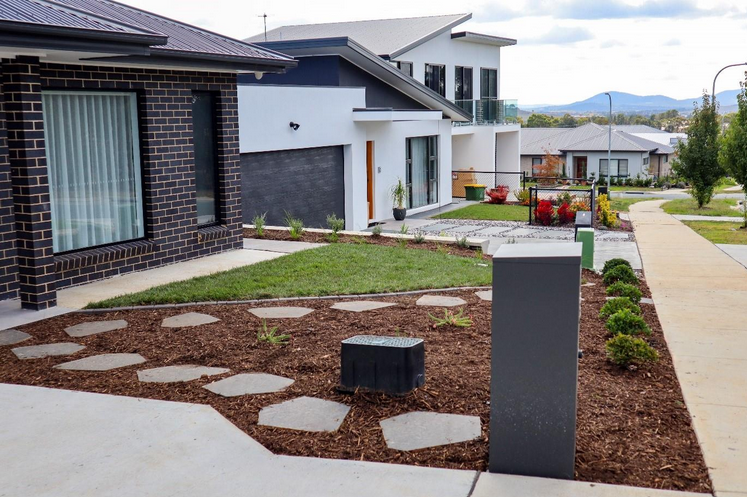
How much does landscaping cost in the Canberra region? One question that often comes to everyone’s mind is, “How much does landscaping cost?” Some implications and factors are important to understand. Some factors can’t be ignored.Let’s discuss the key elements that impact landscaping costs and provide insights into typical price ranges for different projects. Factors that affect landscaping costs in Canberra Property size and terrain: The key factors in estimating landscaping costs are the property’s size and terrain. Rocky areas and steep slopes require more labour due to extra work, implementation, and preparation, which ultimately increases the cost. Small properties do not cost as much as larger properties because they require fewer materials, labour, and time. Design complexity: For complex designs, the cost of landscape work is high compared to small designs. Specialised equipment and complex design increase the cost of even smaller projects. The elements such as lawn and some garden beds, do not cost much, but the design that includes water features or custom-built structures is expensive. Materials and plants selection: The additional plants and the quality of material raised the cost of the landscaping work. Natural stone pavers and high-quality material are the most expensive choices. Smaller and local plants are the smart choices, but if you are choosing uncommon plants, they are hard to manage and require more care, time, and money. Aesthetics and practicality are important, but the budget can’t be ignored while getting the look you want. Labour costs in the region: The cost of labour can change based on the demand for horticulture services and the specific skill required in the region. The project with bad access to machinery can increase the manual labour, which can impact the total project cost. Average Landscaping Costs for Different Project Sizes Small-Scale ProjectsTheir balconies and courtyard can start by saving more money. It will cost them $5,000 to $15,000, even though it might include a few garden beds, a basic irrigation system, and a modern patio area. If the property area is larger, the cost might vary according to design complexity. Medium-Scale ProjectsThe cost for a medium-scale project can range from $15,000 to $30,000. The project, which includes enhanced features like a patio area, retaining walls, an advanced irrigation system, and a water feature, often involves a more inclusive outdoor makeover. This is the estimated price for the outdoor space, in which the homeowners can expect the transformation of their space by adding outdoor lighting or a small deck. Large-Scale ProjectsNormally, the large-scale residential projects in the Canberra region start at $30,000 and can exceed $120,000. The projects, which include the swimming pool, retaining walls, pergola, fencing, patio, and garden design, have different price estimations depending on the premium material used, labour cost, and the complexity of the design. Such projects have an extensive nature of hardscaping, which affects the overall project. After discussing average cost and price ranges depending on their sizes, let’s talk about the specific important elements. Cost breakdown of Specific Landscaping Elements Hardscaping expenses: The important and aesthetic features in any landscape, especially in Canberra, are retaining walls, paving, and stone feature designs. Retaining walls typically cost between $250 – $650 per square meter. High-quality materials and design with complex features require more money. Different paving has different prices, including the supply and laying of basic concrete costs $200-$250 per square meter. High-end natural stone pavers can reach up to $250-$350 per square meter. Different types of stone cost differently. Soft scaping and plant costs: Large and old plants are expensive to remove or install, which influences the cost of the landscape work. The $10-$50 range is for small shrubs and groundcovers, while $200 – $1000 range is for mature trees. Premium types of grass installation are costly, but for standard varieties, the cost ranges between $45 and $65, which includes a basic irrigation system and topsoil. Water features and irrigation systems: A European-style feature might cost $1000 to $2000, while larger, more elaborate water features can exceed $5000. The price for the small garden irrigation system with a basic drip system starts at $2000 – $3000, and for the automated comprehensive irrigation system for bigger properties is around $5000 – $8000 or more. Decking and outdoor structures: Backyard or outdoor spaces are not ordinary in Canberra. For decking, the most commonly used materials are timber and composite. The cost of a timber deck ranges between $500 and $600, while the composite deck costs between $500 and $650 per square meter. Pergolas and gazebos are a smarter choice, more functional, and look attractive. Their price range is from $500 – $650 per square meter for simple structures. For the custom designs or Louvre roof pergolas, prices can vary and reach $650 – $850. The small changes in the garden design enhance the living experience in Canberra’s diverse climate. Hiring a Landscaper in Canberra Dimension Gardenscape: Dimension Gardenscape values customers and their feedback, known for its strong local presence. We have provided professional services to customers for landscape design and construction for over 25 years, located in Queanbeyan and Canberra. We are committed to quality materials and expert services. Hire us for the landscape services from concept to completion. Timing your design for optimal pricing: The cost of construction depends on the time period of the project. In a specific season, the landscape work slows down or fluctuates. In winter, due to the moist weather, especially from June to August, landscape work slows down. Choosing local plants that can grow in the cold season is a smarter choice. The best time for landscaping is spring and early autumn, as these seasons offer the best planting conditions too. In Canberra, it’s important to understand the factors that may affect planning and budgeting.We provide economical and professional services. We prioritise customers’ satisfaction, water conservation, and low-maintenance solutions. Hire us for the best, cost-effective, and transforming landscape services.
What are Retaining walls? Do they help with drainage and soil erosion
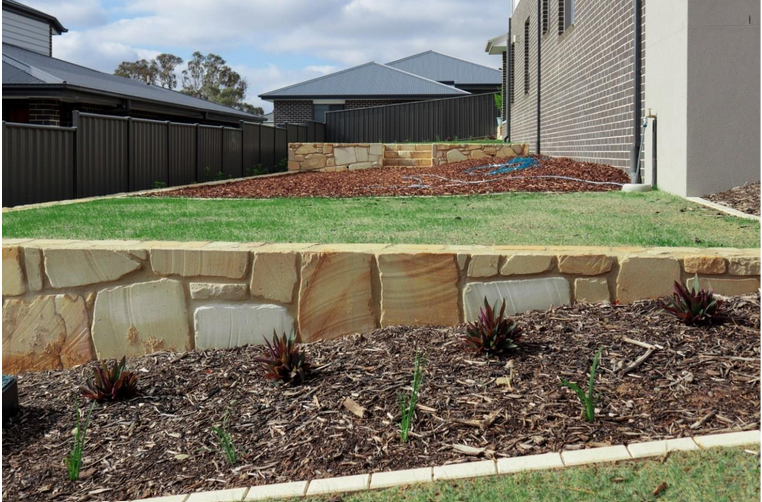
What are Retaining walls? Do they help with drainage and soil erosion What are retaining walls, and how do they work Did you ever notice strong structures that hold back soil on sloped areas? They are retaining walls, and they work harder than you might expect.Retaining walls act like bouncers for the landscape. They prevent soil from sliding during rain or ground movement. The basic idea is simple.Most retaining walls are a mixture of mass, leverage, and drainage systems. They are designed to redirect water pressure that builds up behind them. Water trapped behind a wall is the biggest threat to any retaining structure.Retaining walls are not only for decorative purposes but also vital structural solutions for landscaping. They assist with drainage and soil erosion by creating flat areas on sloped properties. They change difficult slopes and prevent expensive erosion damage. Different types of retaining walls for various landscapes Mortared stone retaining wall: It provides strong, long-lasting support for holding back soil on slopes. It prevents erosion, helps with drainage, and adds a classic, polished look to your landscape. Concrete sleepers retaining wall: They offer durable, long-term support for holding back soil on sloped land. They are not only modern landscaping but can also survive in tough conditions. They prevent pests and rot, too. Gabion retaining walls: Wire cages filled with rocks are surprisingly strong and perfect for natural settings. Timber retaining walls: They can’t survive long, but they are light on the pocket. Modular panels retaining walls: Modular panels are a good choice to stabilise the soil on sloping areas. Blocks retaining walls: For example, Versawall block and Wallstone-3 blocks. Key benefits beyond just holding back soil Retaining walls are versatile landscape features: Drainage improvement: They pass water away from the foundations of property. Usable space creation: They make steep, unusable slopes into flat and more productive, functional areas for gardens, patios, or play spaces. Property value boost: It would enhance the appearance and increase the value of the property. Flood prevention: Water flow must be managed properly during heavy rains, which helps prevent serious flood damage. Reduced maintenance: Less erosion leads to less landscape repair and maintenance over time. Creating proper drainage systems within wall structures Water is sneaky. It would be easy to get access to the through, so your retaining wall must be smart enough not to block the channel.Seasonal considerations for optimal drainage Summer rains and winter frost affect your retaining wall differently. What works well in January might be challenging in July.In autumn, heavy rains and moisture can put significant stress on your wall’s drainage. Without careful planning, all that water buildup can cause damage or even failure. Identifying erosion-prone areas in your landscape Water always takes the easiest path. You might have noticed this during heavy rain; some parts of your yard turn into little rivers, while other spots stay dry.These water paths signal possible erosion. Look for: Bare soil patches where plants struggle to grow Visible soil movement after it rains Exposed tree roots that were hidden before Muddy water runs off during storms Small channels forming on slopes Soil collecting at the bottom of hills The steeper your property, the higher your risk of erosion. Soil type is important too. Sandy soils erode faster than clay, but clay can become unstable when wet. Material Selection for Longevity and Performance Compare the durabilityThe durability and performance of the wall depend on the quality of the materialConcrete blocks can survive through water damage and erosion. They would stay strong against any rot, warp, and infestation. There is a variety of blocks; some can look a bit plain, and some have decorative versions.Natural stone walls can last for centuries, demonstrating their exceptional durability. Their natural look and functionality of drainage improve over time. Most of the people chose the sandstone & bluestone.Timber walls are appreciated for their natural and warm look, but they necessitate expensive treatments to prevent decay, especially in areas susceptible to drainage. Additionally, they need replacement every few decades.Concrete sleeper retaining walls can withstand pressure and resist rot and moisture more effectively. They are a stronger and more durable option, and provide excellent long-term support in any landscape.Sustainable and eco-friendly retaining wall alternativesRecycled plastic is safer for the industry. The waste, which ultimately needs to go to a landfill, would be shaped to create a plastic timber. These materials effectively resist insect damage and moisture while also reducing the waste that contributes to ocean pollution. They are especially effective in areas with ongoing drainage issues.Gabion walls, which are wire cages filled with rocks, can sustain incredibly. They provide excellent drainage naturally and require minimal processing of materials. The stone often found on site can be used sometimes. They also create instant habitats for small wildlife and plants.The good thing is that these options might be helpful to keep the soil erosion even better than conventional materials. When to call the professionals You know that feeling when you start a DIY project and suddenly realise you are in over your head? Many homeowners feel this way about retaining walls.Always call a professional landscaper, like Dimension Gardenscape, when you need to build a retaining wall. Anything taller requires engineering knowledge to manage the heavy pressure from soil and water. Trust me, this is not the time to take chances. Steep slopes or dodgy soil are signs to be careful. Skilled contractors have the right tools and know-how to handle tough ground that could make your DIY project go wrong.If your property has underground utilities or drainage issues, Dimension Gardenscape knows how to manage them safely. They will ensure your wall installation doesn’t turn into an expensive mess with broken water lines or flooded basements. Permits and regulations you need to know According to the local council rules in Canberra, retaining walls need permits to be built. Most people don’t realise that the walls are over 1.2 meters and need some approvals from the council to maintain safety measures. However, even smaller walls might need
Why do people hire a landscape designer?
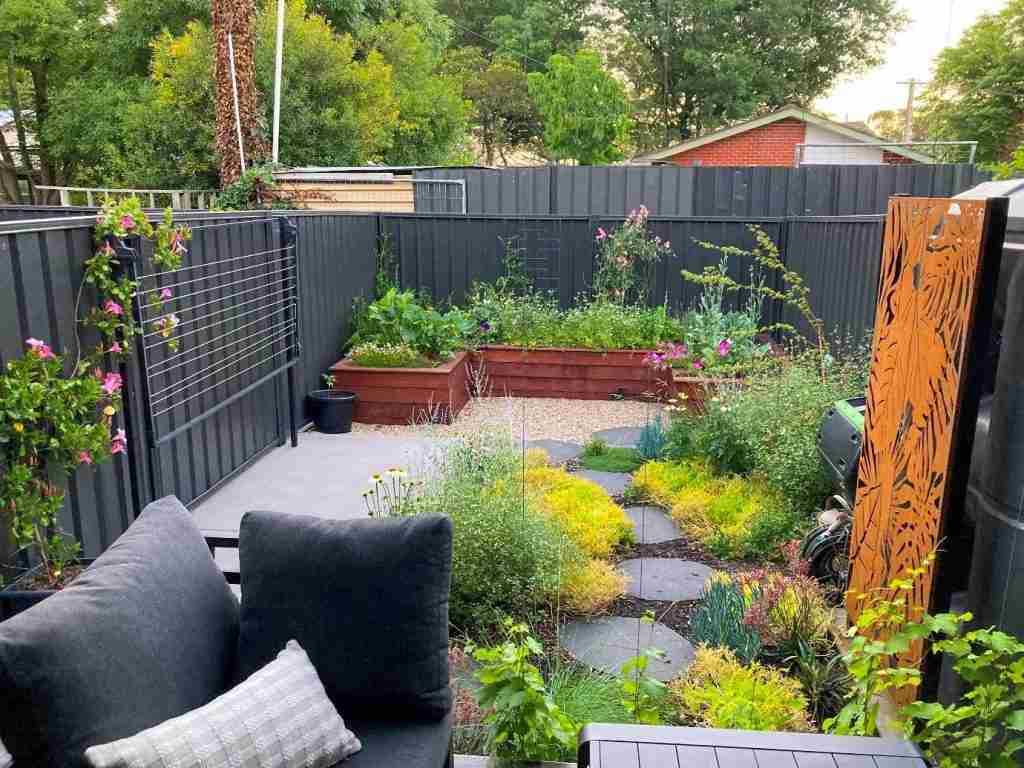
Do you want to change your outdoor space to amazing instead of just ordinary? Many homeowners struggle to create the perfect landscape that enhances the market value and aesthetic appeal of their properties while dealing with the local unique environment.Hiring a landscaper or landscape designer is a decision any homeowner can make to understand each phase of the process. Landscape designers have the skills to manage time, money, and many challenges. A professional can help make your outdoor dreams come true by assisting you with local laws and incorporating the latest trends. Expert Understanding of the Local Climate What designs suit the local weather? It’s important to analyse microclimates to maximise the comfort and functionality of the outdoor space that can thrive over the years. Living in southeastern Australia, particularly in the Canberra region, requires special designs for landscaping. Dimension Gardenscape understands the local climate and creates outdoor spaces that flourish in hot, dry summers and cold winters. To handle these challenges, hiring a landscape designer is recommended. Selecting drought-resistant plants Climate calls for careful plant selection. Landscape designers know that: Native Australian plants are more suitable for local conditions Exotic species capable of tolerating extreme drought conditions Succulents and other water-storing plants Grasses and ground covers should be planted that require minimal irrigation Enhance Property Value A good landscape design may add a boost in the value of the property. It will attract more buyers and leave a lasting impression on visitors. Without a landscape designer, it would be challenging to create a visually striking outdoor space that complements your home’s architecture.Strategic plant selection, balanced hardscaping elements, thoughtful lighting design, and cohesive color schemes will enhance its overall aesthetic appeal. Designing functional outdoor living spaces A skilled landscape designer can create functional outdoor living spaces that extend your home’s usable area. Incorporating sustainable landscaping features Sustainable landscaping is ideal for the buyers and easy for the homeowners to deal with. Eco-friendly features are easy to manage and can minimise the wastage of time and money over landscaping. Time and Cost Savings Avoiding expensive mistakes Sometimes people make costly mistakes while planning their landscape design. It is always recommended to hire a landscape designer who will bring years of experience to the table, helping you avoid common pitfalls that can waste your budget. Their expertise is eliminating the expensive corrections down the line by ensuring the correct way to handle the project in the first attempt.Proper plant selection should be considered for Canberra’s climate Efficient irrigation systems Good soil preparation Adequate drainage solutions Efficient project planning and execution Through proper project planning, the time and cost of the project could be reduced by including the landscape designer, as he knows how to execute the plan efficiently. The coordination with contractors and a detailed timeline is important for the smooth progress from start to end. Personalised Design Solutions Translating the homeowner’s vision into reality Only a skilled landscaper can turn your ideas into tangible transformations using their expertise. A skilled landscape designer acts as a creative interpreter, carefully listening to your aspirations, lifestyle needs, and preferences. They develop detailed plans through a collaborative process that brings your vision to life while ensuring practicality and sustainability.Incorporating existing landscape featuresNatural attributes of the property should not be overlooked. To save the natural and organic look, a thorough assessment is necessary. The thorough topography, vegetation, and architectural features seem natural and harmonious. This approach not only preserves the original look of your property but also maximises the use of available resources, which can help reduce costs and environmental impact. Compliance with Local Regulations Navigating Canberra’s zoning laws Local zoning laws can’t be neglected, especially when you are planning landscaping in the Canberra region. The landscape designer would have sufficient knowledge about the rules and regulations that make them the best executor to comply with all requirements. Zone Type Common Restrictions Residential Height limits, setbacks, vegetation preservation Commercial Parking requirements, signage regulations Rural Land use limitations, environmental protections Adhering to water restrictions Water management can’t be neglected if you are located in Canberra. Landscape designers are well- versed in creating a beautiful, drought-resistant garden. They have good experience in water-wise practices. Ensuring proper drainage and erosion control Before starting landscape design, it’s important to assess the property’s topography. To maintain the integrity of your landscape and protect your property, it’s necessary to implement appropriate design and drainage solutions. A professional landscaper equipped with well-versed practices of all the regulations to comply with the erosion control measures, such as the Retaining walls or planting strategically. This practice is an ideal way to avoid potential legal headaches in the long run. Access to the Latest Landscaping Trends Implementing modern design techniques Landscape designers incorporate contemporary elements. They incorporate vertical gardens and stay at the forefront of modern design techniques, such as sustainable water features, arranging the native plants to ensure the outdoor space is both functional and aesthetically pleasing. Incorporating smart technology in outdoor spaces Smart technology can assist in enhancing the functionality of the garden and would add value to landscape design. It helps to save energy and water. A landscape designer ensures your outdoor space is not only beautiful but also equipped with the latest innovations in landscape design and cutting- edge trends. Professional Project Management Coordinating with contractors and suppliers A professional landscape company manages the project efficiently to ensure quality work and coordinates with contractors and suppliers for the best results. Ensuring quality workmanship Quality can’t be compromised in the landscape work. Oversee all work to maintain high standards Conduct regular inspections throughout the project Address any issues promptly to prevent costly mistakes Ensure proper installation of features like retaining walls and pergolas Meeting project timelines and budgets One of the most significant advantages of hiring a landscape designer is that they can manage the project according to the timeline, budget, and Resources. The project without a landscape design can’t be efficiently managed; there will always be delays, cost overruns, waste, and
Low Maintenance Ideas: Easy garden/landscape design tips to save you time.
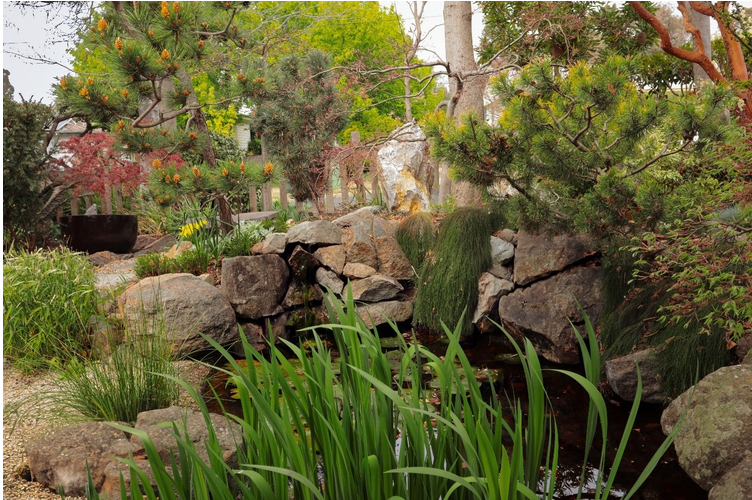
Are you tired of spending endless hours in your garden, only to see it wither when life gets busy? Low-maintenance landscaping is the secret to achieving a beautiful yard without sacrificing styling. Landscaping doesn’t have to be time-consuming.With the right strategies, you can create a beautiful, low-maintenance garden that gives you more time to relax and enjoy with peace.Let’s dive into our top low-maintenance landscaping ideas to revolutionise your garden and free up your time! Mulch Your Garden Beds Proper mulching techniques reduce your workload while improving the health and appearance of the plants: Beautiful gardens are the result of careful planning and ongoing maintenance. Mulching creates a neat, finished look for your garden beds. Mulching provides numerous benefits to your garden by protecting plants, suppressing weeds, enhancing soil health, and unlocking a world of growth and beauty. A thick layer of mulch helps retain soil moisture, reducing evaporation and leading to healthier plants that require less frequent watering. It also regulates soil temperature, providing insulation during extreme weather and enriching the soil with nutrients over time while preventing erosion from heavy rain and wind. A skilled landscaper understands how to apply mulch correctly, ensuring the right thickness. Hiring a professional can save time and effort, allowing you to enjoy your garden without the stress of intensive maintenance. Incorporate Hardscaping ElementsHow does hardscaping significantly reduce your garden maintenance while enhancing its aesthetic appeal? Ever wonder why some gardens are stunning while others aren’t? The key is effective low garden maintenance strategies. Regular care is essential for your garden’s beauty, but it doesn’t have to be time-consuming. Adding hardscaping features like pathways, patios, and ornamental elements can significantly lower maintenance. These enhancements improve your garden’s look while reducing mowing and weeding needs. Using hardscaping materials improves drainage and soil health, helping your plants to thrive. By adding features like seating areas and decorative borders can add aesthetics to the garden. Are you ready to create a beautiful, low-maintenance garden? Install gravel paths for easy maintenanceGravel paths are an excellent choice. They provide a natural, rustic look while requiring minimal upkeep. Durability: Withstand heavy foot traffic and weather conditions Drainage: Allow water to percolate through, reducing runoff Add rock gardens for visual interestRock gardens are perfect for creating eye-catching, low-maintenance focal points in your landscape. They: Provide year-round interest Support drought-tolerant plants Incorporate seating areas with durable materials Concrete pavers Composite decking Weather-resistant furniture D. Pathways and patiosIncorporating well-designed pathways and patios, not only reduces the plant maintenance but also creates functional outdoor living spaces. Interlocking pavers for a classic look Gravel pathways bordered with landscape edging for a rustic feel Create No-Mow Lawn Alternatives Choosing No-Mow Lawn Alternatives for your garden offers low-maintenance benefits. They require minimal mowing and conserving water with drought-resistant options. These alternatives provide vibrant colours and textures while improving soil quality & easy care for your garden.Aesthetically, these alternatives provide unique looks with vibrant colours and textures that traditional grass may lack. Moreover, some no-mow options improve soil quality and contribute to a healthier garden overall. Ultimately, you can create a beautiful, easy-care outdoor space that aligns with eco-friendly practices. (For example: Creeping thyme, Chamomile) Design Raised Beds for Easy Maintenance Raised beds are an excellent addition to any garden, as they can be tailored to be as simple or as ornate as you desire. They help in improving: Soil drainage Easy access to plants Portability Customised soil Better soil control They can keep weeds and pests at bay. Gardens beds can fit into almost any space, allowing you to create a complete garden sitting area.By incorporating raised beds into your landscape design, you’ll create an efficient and attractive garden space that requires minimal upkeep. Auto Irrigation An auto irrigation saves you time by eliminating manual watering and allows you to customise schedules based on weather. By targeting specific plants, these systems also reduce weed growth and promote stronger, healthier plants, making them a smart investment for any garden. The Benefits of Drip Irrigation for Your Garden and Landscape are particularly worthy, soaker Hose, and rain sensor systems also offer precise watering and reduce water waste. Right plants in the right place Choosing the right plants for the right place is essential for creating a low-maintenance and healthy landscape that thrives with minimal effort. Our first considerations are its needs and tolerance for moisture, heat, wind, soil, climate, and full sun and shade.Native plants are always a good option, as they can withstand the Australian weather while providing a stunning display of colour all year round.Next, we consider the area for planting and paying attention to what the landscape suggests. Plants in their preferred environment grow healthier and stronger, resulting in better landscape aesthetics.We carefully research our options before selecting a plant for the garden, ensuring that the choices blend well with the natural surroundings and thrive with minimal maintenance. Good garden design A well-planned design creates clear pathways and zones which helps in making it easier to navigate and maintain the garden without feeling overwhelmed.A beautifully designed garden offers a calming space that reduces stress and enhances your overall enjoyment of the outdoors. By minimising lawn areas in favour of other landscape features, you can cut down on mowing and maintenance, freeing up your time. Overall, a good garden design simplifies upkeep and makes gardening a more enjoyable and stress-free experience.We understand that maintaining a beautiful lawn and garden takes time, that you might not have. Our goal is for you to feel proud of your garden and have time to enjoy it, which is why we developed our services. Along with mulching, we offer: Garden Art Wicking beds Design Pergolas Decks Landscaping Pool Landscaping Construction For more information, please visit our website below. https://dimensiongardenscape.com.au/services/.
The Benefits of Drip Irrigation for Your Garden and Landscape
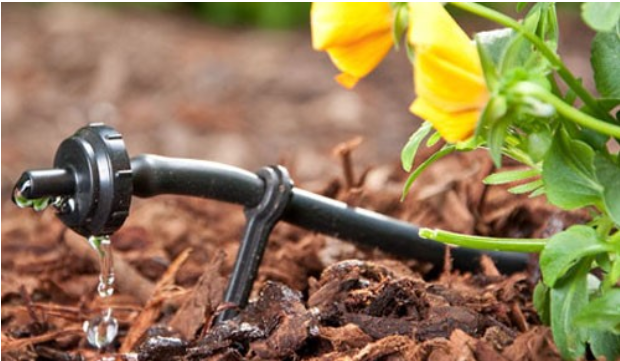
The Benefits of Drip Irrigation for Your Garden and Landscape Do you spend hours and huge volume of water irrigating your garden ineffectively? Switch To Drip Irrigation It only applies water where it needs to be, not on your sidewalk or driveway. Significant water conservation Enhanced plant health and growth Saving time and cutting labor costs Versatility in design and application Environmental friendliness Long-term cost-effectiveness Precise water delivery to plant roots In this article, we’ll explore these advantages in depth, helping you make an informed decision about implementing drip irrigation in your outdoor spaces. Water Conservation Benefits Reduced water usage through targeted application directly to plant roots. Minimized water runoff due to slow, controlled water delivery. Precise control over water distribution, eliminating overwatering. Conservation of precious water resources in drought-prone areas. Ability to irrigate slopes and uneven terrain without excessive runoff. Reduced weed growth by limiting water availability between plants. Compatibility with water-saving technologies like timers and sensors. Benefit Traditional Irrigation Drip Irrigation Water Usage High Low Runoff Significant Minimal Evaporation High Low Efficiency Low to Moderate High Water Bills Higher Lower With these water conservation benefits in mind, let’s explore how drip irrigation contributes to improved plant health. Improved Plant Health Stronger root development due to targeted water delivery directly to the root zone. Enhanced nutrient uptake as water carries essential elements efficiently to plant roots. Reduced foliage diseases by minimizing water contact with leaves and stems. Consistent moisture levels maintained in the soil, preventing stress from fluctuations. Stronger root development Roots grow deeper and wider, seeking out water delivered precisely to their zone. Improved soil aeration promotes healthier root systems and microbial activity. Less water runoff means roots can access nutrients more effectively. Enhanced nutrient uptake Slow, steady watering allows for better absorption of nutrients in the soil. Fertilizers can be easily incorporated into drip systems for direct nutrient delivery. Reduced leaching of nutrients compared to traditional irrigation methods. Reduced foliage diseases Leaves stay dry, minimizing conditions favorable for fungal growth. Less splashing of soil onto plants decreases the spread of soil-borne pathogens. Lower humidity around plants reduces the risk of mildew and other moisture-related issues. Consistent moisture levels Plants experience less stress from alternating periods of drought and oversaturation. Even soil moisture promotes steady growth and development throughout the season. Reduced water waste as plants receives only the amount they need. Aspect Traditional Irrigation Drip Irrigation Root Development Shallow roots Deep, extensive roots Disease Risk Higher Lower Nutrient Efficiency Lower Higher Moisture Consistency Variable Stable Next, we’ll explore how this efficient watering method can save you time and labor in your gardening efforts. Versatility in Landscaping Effective for slopes and uneven terrain Customizable for specific garden layouts Feature Benefit Flexible tubing Easily navigate around plants and obstacles Adjustable emitters Control water flow for individual plants Modular design Expand or modify the system as your garden grows Zone control Create separate watering schedules for different areas Adaptable to different plant types From delicate flowers to sturdy trees, drip irrigation can cater to the diverse water needs of various plant types. By adjusting emitter flow rates and placement, you can ensure each plant receives the precise amount of water it requires. Suitable for various garden sizes Drip irrigation systems are scalable, making them appropriate for: Small container gardens. Medium-sized residential landscapes. Large commercial properties. Extensive agricultural fields. With its versatility to adapt to different terrains, layouts, plant types, and garden sizes, drip irrigation proves to be a flexible and efficient watering solution for any outdoor space. let’s consider its environmental advantages and how it contributes to sustainable gardening practices. Environmental Advantages Drip irrigation not only benefits your garden and landscape but also has significant positive impacts on the environment. Reduced pest problems Drip irrigation helps minimize pest issues in your garden by: Delivering water directly to plant roots. Keeping foliage dry, reducing fungal growth. Discouraging the proliferation of water-loving pests. This targeted approach to watering creates an environment less conducive to pest infestations, reducing the need for harmful pesticides. B. Lower energy consumption Compared to traditional irrigation methods, drip systems consume less energy: Aspect Drip Irrigation Traditional Sprinklers Pump size Smaller Larger Water pressure Lower Higher Operating time Shorter Longer These factors contribute to significant energy savings over time, making drip irrigation an eco-friendly choice for your garden. Minimal fertilizer leaching Drip irrigation’s precision helps prevent excessive fertilizer runoff: Targeted water application reduces nutrient displacement. Slow, steady watering allows better nutrient absorption. Less water waste means fewer chemicals leaching into groundwater. By minimizing fertilizer leaching, drip systems protect local water sources and ecosystems from harmful contamination. Decreased soil erosion The gentle, controlled water flow of drip irrigation systems helps maintain soil structure: Prevents water pooling and runoff. Reduces surface disturbance. Maintains soil fertility and structure. This preservation of topsoil not only benefits your garden but also contributes to overall environmental health by preventing erosion and sedimentation in nearby water bodies. With these environmental advantages in mind, it’s clear that drip irrigation goes beyond just benefiting your garden. Next, we’ll explore how this eco-friendly system can also be cost-effective for gardeners and landscapers. Cost-Effectiveness Drip irrigation systems not only benefit your garden and landscape but also prove to be a cost-effective solution in the long run. It saves you money and increase the value of your property. Extended lifespan of garden equipment Drip irrigation systems significantly reduce the wear and tear on your gardening tools and equipment. Equipment Lifespan with Traditional Watering Lifespan with Drip Irrigation Hoses 2-5 years 5-10 years Sprinklers 3-7 years 7-12 years Nozzles 1-3 years 3-5 years Increased property value Installing a drip irrigation system can boost your property’s value by: Enhancing the overall appearance of your landscape. Demonstrating a commitment to water conservation. Providing a low-maintenance watering solution for potential buyers. Long-term savings on water expenses One of the most significant cost-effective benefits of drip irrigation is the substantial reduction in water usage. This
3 Steps from Landscaper Canberra to an Eco-Friendly Landscaping
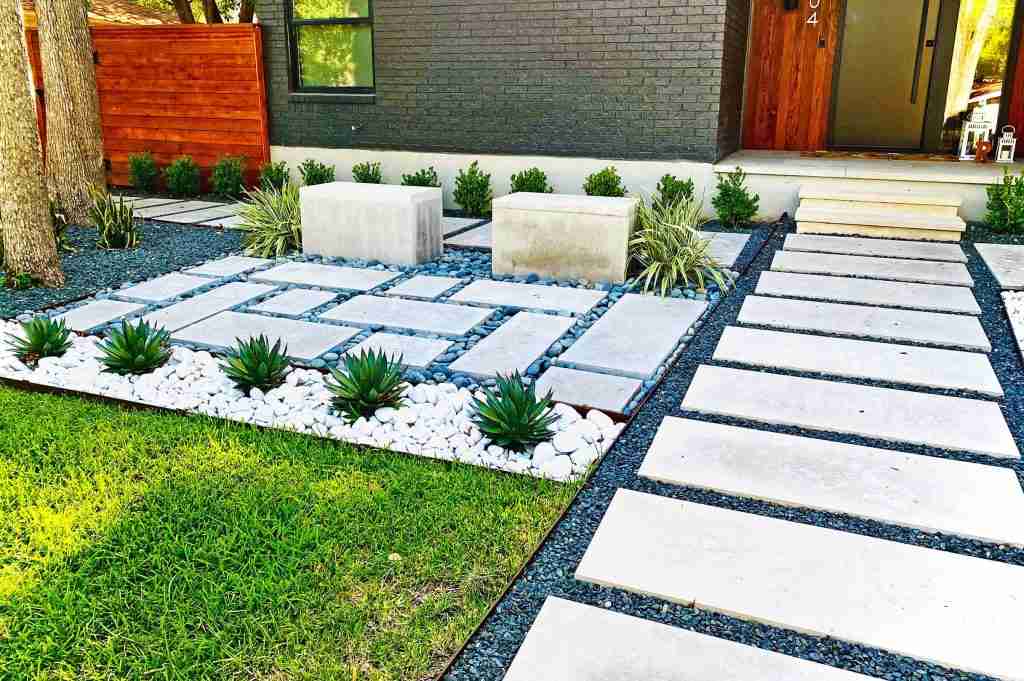
In today’s world, people are more concerned than ever about the effects of their daily activities on the environment. In addition to wondering what impact a proposed landscaping project may have on the environment, you may also ask how it might affect the climate. Using eco-friendly choices, can you enhance a beautiful outdoor space while also respecting the environment? Getting people outside is one of the greatest benefits of landscaping. Having beautiful green spaces to enjoy encourages homeowners to spend more time outdoors, which is wonderful.Of course, many homeowners do not want to create spaces to contribute to negative environmental impacts. Even with a busy schedule and a limited budget, it is possible to maintain a beautiful landscape while being kind to the environment. The only thing you need is a little planning and some low-maintenance measures. We at Dimension Gardenscape are proud to provide our clients with landscaping experience in Canberra. As local Landscaper Canberra we have been providing garden & landscape design to residential & commercial spaces all over Canberra over 30 yearA sustainable landscape is not just for expert gardeners, but also for novices. Here are a few steps you can follow to make it happen. Start Composting to Reduce Waste Inorganic chemical fertilizers can harm the soil and water in your garden, which is why compost is a great alternative. If you’re growing your own food and gardening, you’ll have leftover materials that you should compost in order to avoid wasting them. By composting these materials, you can make fertilizer for your plants instead of throwing them away. The result will also be a reduction in the amount of fertilizer you need to purchase from the store.In the long run, home composting could save you money as well as reduce food waste. When thinking about how to create an eco-friendly garden, all you really need is a corner of the garden for composting that’s out of the way but not too shady. Adding compost to your soil increases its nutrient content and improves water retention, resulting in stronger plants and less disease. Simply be more conscious about what you buy and reduce, reuse, and recycle! We personalize our landscapes to meet your taste and satisfy your individual needs from the Local Family Business Landscaper in Canberra. Be water wise There are certain things you can do to make watering your plants more efficient, even if you cannot stop doing it altogether. Focus your attention on the roots instead of the leaves and water in the cool of the day to avoid evaporation and wasting water on them. If you want to increase the retention of water, consider adding mulch or even decorative gravel.Use a hose instead of a sprinkler in your garden, this is great for spot watering the odd stressed plant being careful it’s not stressed form too much water. Rather than hand watering your plants, water delivered via sub surface drippers is best, an automated watering system makes this easy to programme, set it up so roots are watered, which is more beneficial to your plants and prevents unnecessary water waste. The use of drip lines, minimizing grass space, using native plants, greywater systems, and rainwater tanks are just some of the ways you can reduce your water usage in your landscape. With proper watering, you can save money and have a lush garden at the same time. Stop using chemicals The use of chemical pesticides, fungicides and herbicides in the garden is now less common among gardeners. To keep our lawns and gardens in good shape, we are often instructed to spray them with chemicals. There are, however, many alternatives for natural garden care that are more environmentally friendly, especially when it comes to lawn care.In spite of the fact that chemicals and fertilizers are toxic to our waterways, there are very natural ways to maintain your garden. In order to significantly reduce our use of chemicals, we must learn about nature and become more aware of its capabilities and natural remedies. It is important to consider pesticides and herbicides as the last line of defense, not our first option. Conclusion Although eco-friendly landscaping is a great place to start, you should also incorporate green living into other parts of your life. The three R’s should always be at the back of your mind: reduce, reuse, and recycle. Dimension Gardenscape in Canberra provides a wide range of landscaping services, and even though you may not be planning to reconstruct or construct an entirely new outdoor space, you can still benefit from our extensive offerings.For superior landscaping & garden design services from highly skilled landscaper Canberra, choose Dimension Gardenscape. Request a free quote today!